
Article

What does it mean when teachers say, “Teach the body in front of you”?

YOUR QUESTIONS ANSWERED: QUESTION OF THE WEEK

At Drummond Education we love the challenge of a great question, especially one that gets our expert team discussing and thinking together.

This week’s question, answered by Gill Cummings-Bell BA (Hons), MSc, PGCE, MBA, ACSP.

Download a full copy of the article here!

We think this is a great question. Don’t all […]
By |October 15th, 2026|Article, Question of the Week|

Core Concepts of Motor Prediction & How it Affects Cueing a Correction

Article by Gill Cummings-Bell BA (Hon’s). M.Sc. PGCE. MBA. ACSP

Download a copy of the article here!

Motor prediction is the brain’s ability to estimate the sensory consequences of a movement before it is fully executed, using internal “forward models” to plan, adapt, and control actions in real time. Lets try to keep this in simple terms […]

By |October 4th, 2026|Anatomy, Article|

UNDERSTANDING THE REFORMER · PART THREE – The Roles of Muscle Action and Reformer

Article by Gill Cummings-Bell BA (Hon’s) M.Sc. PGCE. MBA. ACSP

Using concentric, eccentric and isometric action with spring tension

Download a PDF copy of the article here!
Remember These Words from Your Courses?

Prime mover. Agonist. Antagonist. Synergist. Fixator.

You probably remember learning these words during your early anatomy training, perhaps trying to revise and understand them for an exam […]

By |September 20th, 2026|Article, Pilates|

Understanding the Pilates Reformer Springs – Part Two

Spring Colour, Spring Tension and Why a Heavier Spring Doesn’t Always Mean a Harder Exercise

Article by Gill Cummings-Bell BA (Hons), M.Sc., MBA, PGCE, ACSP

Download your copy of the article here!

In Part One, I looked at what a Reformer spring actually is, how it behaves and why I prefer instructors to think about spring tension, rather […]

By |September 15th, 2026|Article, Pilates|

FEMALE PHYSIOLOGY THROUGH THE DECADES

An evidence-informed movement & exercise matrix by Gill Cummings-Bell BA (Hon’s) M.Sc. MBA. PGCE. ACSP

Download your PDF copy by clicking here

Important context: These age bands are an educational framework, not biological thresholds. Menopausal stage, health status, genetics, training history, lifestyle and individual variation all influence when and how physiological changes occur.

The physiological picture
What does this mean […]

By |September 14th, 2026|Article, News, Physiology|

Understanding the Pilates Reformer Springs! (Part One)

Article by Gill Cummings-Bell BA (Hon’s), M.Sc. MBA. PGCE. ACSP

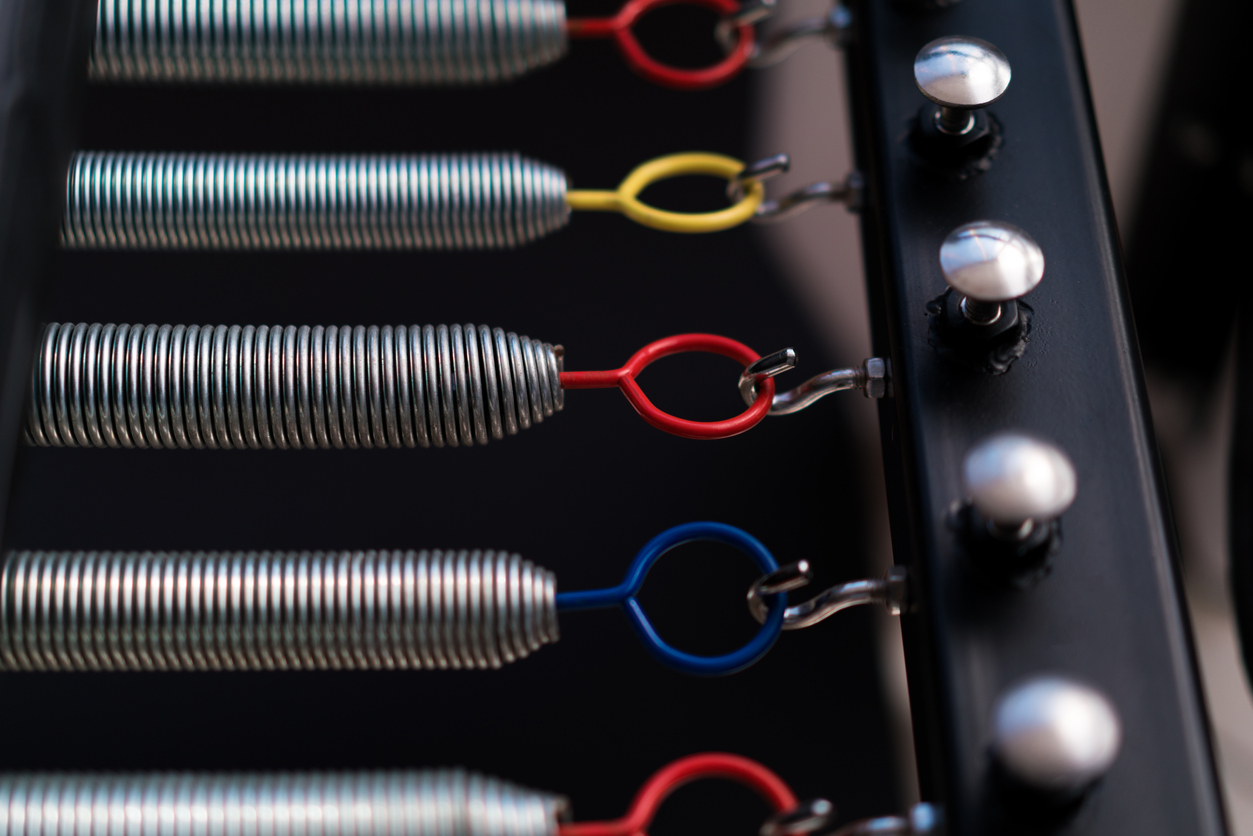
I believe that to fully understand how to use a spring for a particular movement on any Pilates apparatus—Reformer, Chair or Tower—we first need to understand what a spring actually is and what it does. It sounds obvious, but how often do we simply teach “one red spring”, […]

By |September 12th, 2026|Article, Pilates|

When the Knee Tells a Story

Looking Beyond Knee Valgus (angled inwards): Understanding Where Movement Loses Control: Article by Alex Drummond B.Sc (Hon’s). MCSP. 

Watch a group of people perform a single-leg squat and you’ll almost certainly notice one movement that immediately attracts attention. As the body lowers towards the floor, the knee drifts inward. For many instructors and movement professionals, this […]

By |August 1st, 2026|Anatomy, Article|

Teaching Using the Principles of the Pilates Method

Pilates Principles of Training

One of the most common areas of feedback we receive from new students undertaking their mat Pilates training, or their first apparatus training, is that they are unfamiliar with the words of the six principles of the Pilates method being forefront in the classes they have been attending.  They can’t recall the […]

By |August 1st, 2026|Article, Pilates|

Ankle Dorsiflexion: The Missing Link in Movement Dysfunction, Performance and Pain

article by Alex Drummond MSCP, ACSPM – Clinical Director Drummond Education

When people think about movement problems, they often focus on the site of pain. Knee pain must mean a knee problem. Back pain must come from the spine. Tight calves simply need stretching. However, one of the most overlooked contributors to poor movement and recurring […]

By |May 31st, 2026|Anatomy, Article|

Postural Dysfunction

There are many reasons postural dysfunction can occur as well as distortion in the muscle slings although we are increasingly seeing the dysfunction caused by poor movement patters at a young age due to sedentary lifestyle patterns. Ageing can also cause significant bone changes, joint changes and muscle changes leading to dysfunctional postures. Injury or […]

By |May 21st, 2026|Anatomy, Article|